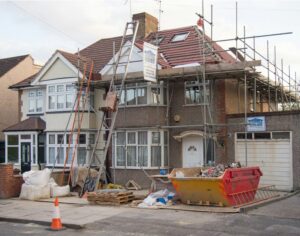
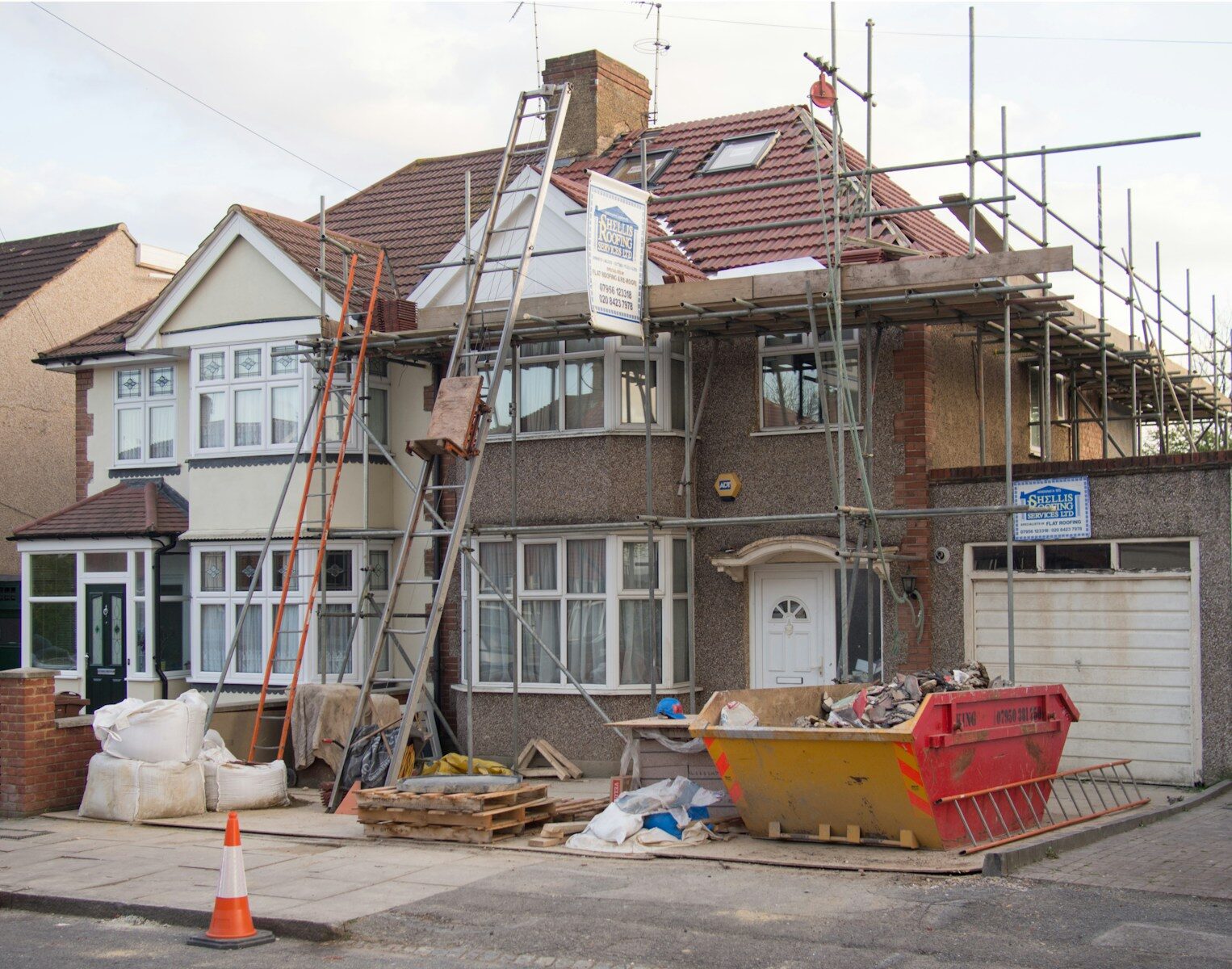
Spend a weekend walking around Reading and you’ll see how much of modern town life happens behind temporary fences, in half-cleared front gardens, and at the end of drives stacked with broken plasterboard. Not glamorous, but revealing. Home improvements, loft clearances and garden overhauls say a lot about how people live in a place: what they can afford, how they use space, and whether they plan to stay put.
Reading is a useful example because it fits a familiar southern pattern, established but always shifting. Families move in, students move on, old offices become flats, and decent houses are pushed into new shapes. That churn creates a lot of hidden logistics. Before a room becomes a nursery or a shed turns into a home office, someone has to decide what to do with the rubble, timber, old units and garden waste.
That’s partly why local search terms can be so revealing. People don’t just look up builders and decorators. They search for practical services tied to their postcode and schedule. A phrase like skip hire Reading Berkshire points to a very ordinary but important stage in any project: the moment when enthusiasm runs into the reality of disposal, permits and driveway space. It’s not the romantic side of renovation, but it’s often the point where a plan starts to feel real.
The unglamorous details matter
For all the talk of interiors and kerb appeal, successful projects usually depend on simple things being sorted early:
- how much waste there will actually be,
- whether access is tight on a terraced street,
- and whether the job will last a day or a fortnight.
These are small decisions, but they shape the rhythm of a neighbourhood. In a place like Reading, where older housing stock meets constant redevelopment, even a skip on a driveway tells its own story: not just of mess, but of adaptation. Towns are remade bit by bit, often more literally than we like to admit.
Photo by Brett Jordan.