
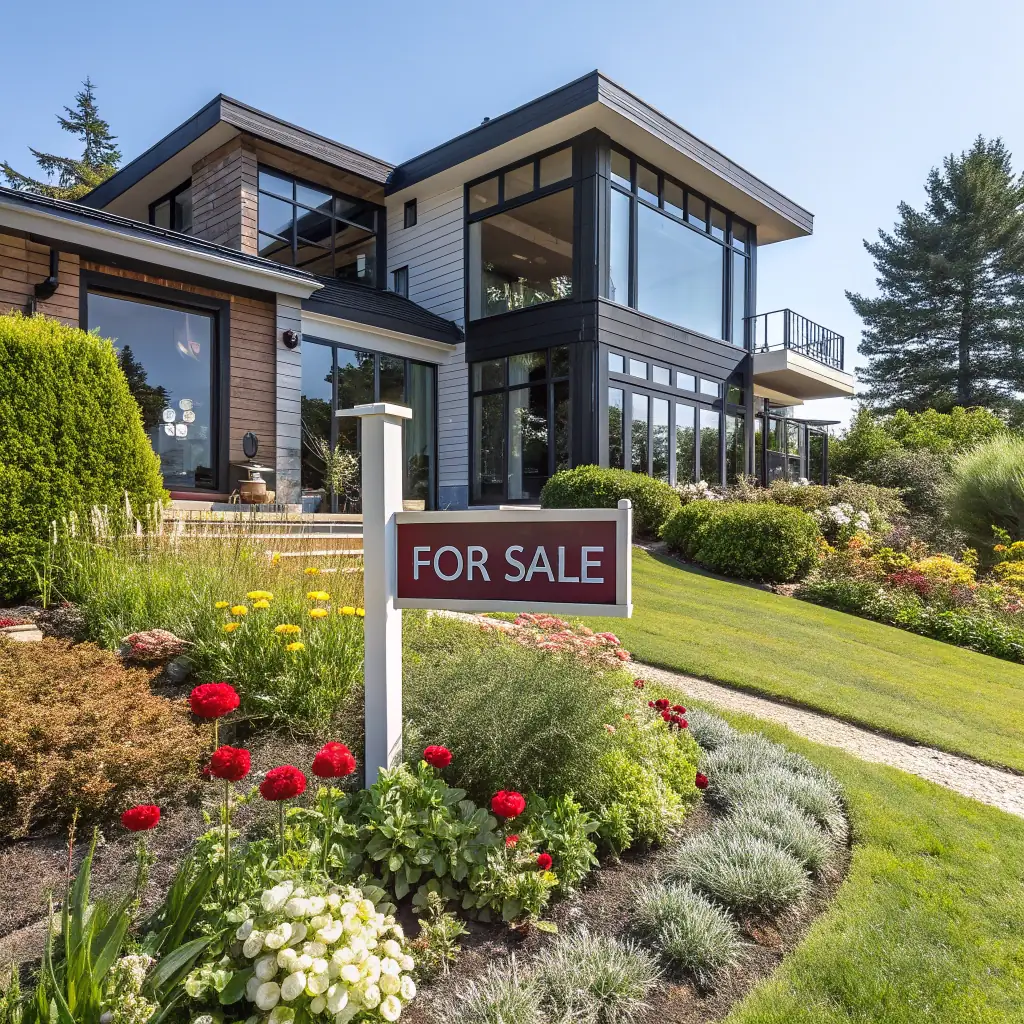
House-hunting now starts on a screen. You scroll through glossy kitchens, compare square footage, zoom in on garden fences and, if you’re keen, inspect the placement of plug sockets in a digital brochure. It is efficient, certainly. But it can also turn a move into a spreadsheet exercise, where the differences between homes are flattened into neat rows of “three-bed”, “parking”, “en suite” and “open-plan”.
That is why the humble show home still matters. It is not just about staged cushions and neatly folded throws. Walking through a place gives you the things no online listing can quite convey: whether the hallway feels narrow when two people pass, how much light reaches the back room at midday, or whether the so-called “home office” is really just a corner where a desk has been squeezed in hopefully.
Even if you begin your search online, it is still worth looking at how developers present their schemes and which details they choose to highlight. Browsing pages such as Balfour Beatty Homes can be useful, not as a sales push, but as a way to see the language, layouts and aspirations shaping the new-build market. It can sharpen your eye before you visit anywhere in person.
What a physical visit reveals
- Whether storage is real or theoretical
- How noise travels between rooms
- Whether the development feels lived-in or still half building site
There is also something reassuring about seeing bricks, streets and front doors for yourself. A home is not a thumbnail image. It is the route from the drive to the kitchen in the rain, the view from the bedroom on a grey morning, the sense of whether you could settle there on an ordinary Tuesday. No amount of swiping replaces that.
Featured image credit: AI generated.